Filters the metrics by it
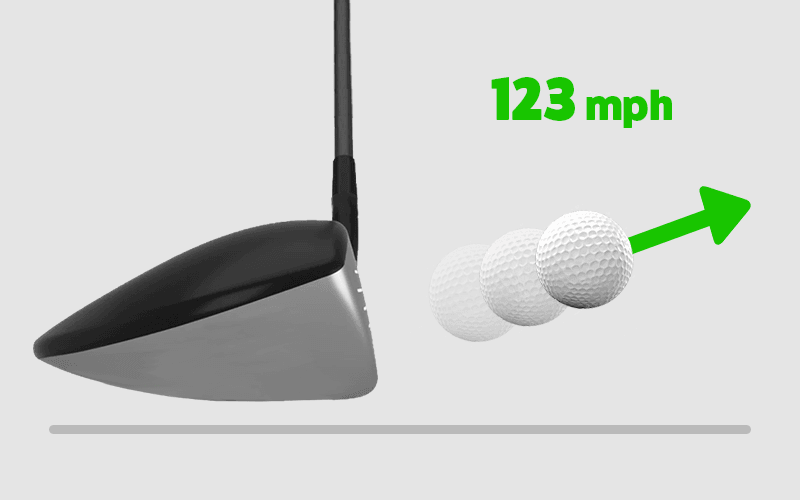
Data Collection Collected using high-speed cameras or radar technology that track the ball from impact through its initial flight.
Awesome Golf Ideal Values * Driver Male 160-180 mph 257-290 kph Female 140-155 mph 225-250 kph 7 Iron Male 120-130 mph 193-210 kph Female 95-105 mph 153-169 kph Swing Technique Faster clubhead speed and solid contact increase ball speed.
Performance Impacts Distance Higher ball speed generally leads to longer carry and total distance.
Spin Rate Higher ball speed typically increases spin rate, especially if the impact is centred.
Launch Angle With higher ball speed, a higher launch angle can result in greater carry distance.
Apex Height Increased ball speed often leads to a higher apex, contributing to a longer flight.
Practical Adjustments Club Selection To maximize ball speed, use a driver or low-lofted club for distance. Adjust swing speed and focus on clean contact.
Swing Technique Focus on increasing clubhead speed through better mechanics and timing while ensuring solid, centred impact.
Data Collection Calculated as Ball Speed divided by Clubhead Speed.
Swing Technique Maximized by hitting the ball on the club's sweet spot.
Performance Impacts Efficiency A higher smash factor indicates better energy transfer, leading to more distance without necessarily increasing swing speed.
Consistency Higher smash factors contribute to more predictable shot distances.
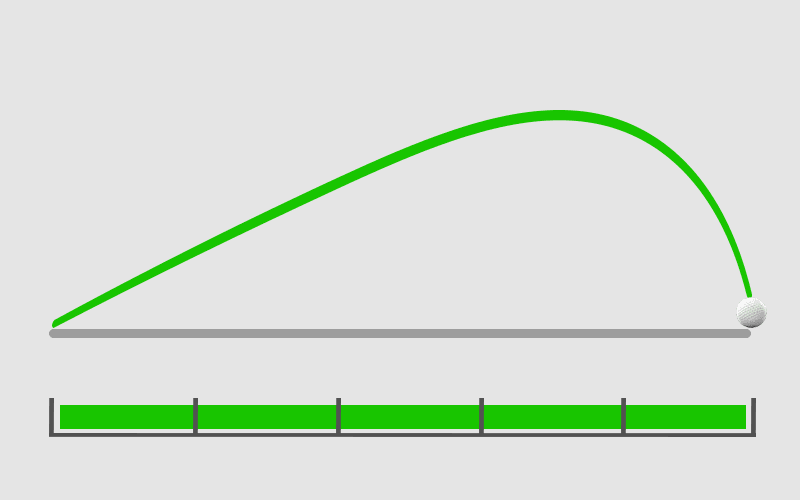
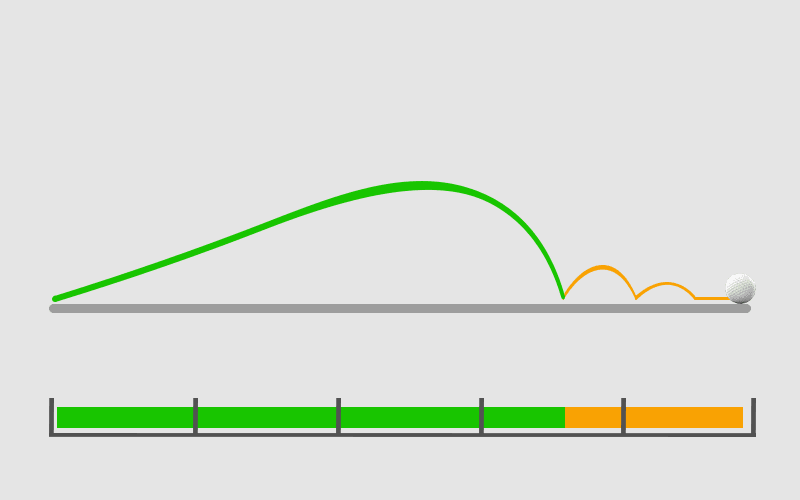
Data Collection Calculated based on the ball's launch conditions (speed, angle, and spin) and tracked using radar or cameras until it lands.
Awesome Golf Ideal Values * Driver Male 260-300 yards 237-274 meters Female 210-240 yards 192-220 meters 7 Iron Male 160-180 yards 146-164 meters Female 140-160 yards 128-146 meters Swing Technique Affected by launch angle, ball speed, spin rate, and impact location.
Performance Impacts Course Strategy Long carry distance helps in clearing hazards and reaching the green in fewer strokes.
Spin And Roll The balance between carry and roll is crucial, especially in varying weather and course conditions.
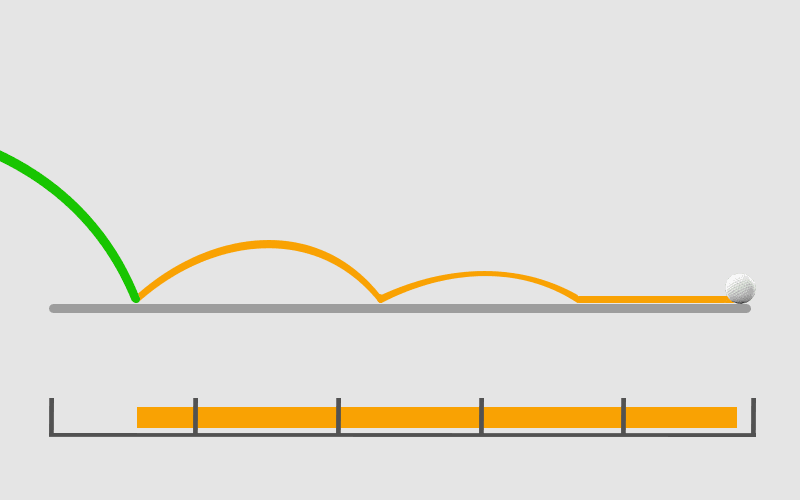
Data Collection Measured by tracking the ball from landing until it stops.
Ideal Values * Varies by ground conditions and descent angle; typically 20-30 yards for drivers and less for shorter clubs. Varies by ground conditions and descent angle; typically 18-27 meters for drivers and less for shorter clubs.
Swing Technique Influenced by spin rate, launch angle, and ground conditions.
Performance Impacts Total Distance Higher roll distance increases total distance, especially on firm fairways.
Spin Rate Lower spin rates typically result in greater roll after landing.
Practical Adjustments Launch Angle Lower launch angles generally produce more roll.
Spin Management Focus on reducing backspin to maximize roll, especially off the tee.
Data Collection Measured by tracking the ball from launch until it stops rolling.
Awesome Golf Ideal Values * Driver Male 275-325 yards 251-297 meters Female 225-285 yards 205-260 meters 7 Iron Male 165-185 yards 150-169 meters Female 145-165 yards 132-151 meters Swing Technique Influenced by carry distance, spin rate, launch angle, and ground conditions.
Performance Impacts Hole Management Longer total distances can shorten approach shots, giving you better opportunities to score.
Control High total distance with low accuracy can lead to more hazards or off-target shots.
Practical Adjustments Shot Planning Consider the full shot length, including roll, and plan for the landing area to maximize effectiveness.
Spin Control Lower spin can increase total distance, particularly with drivers.
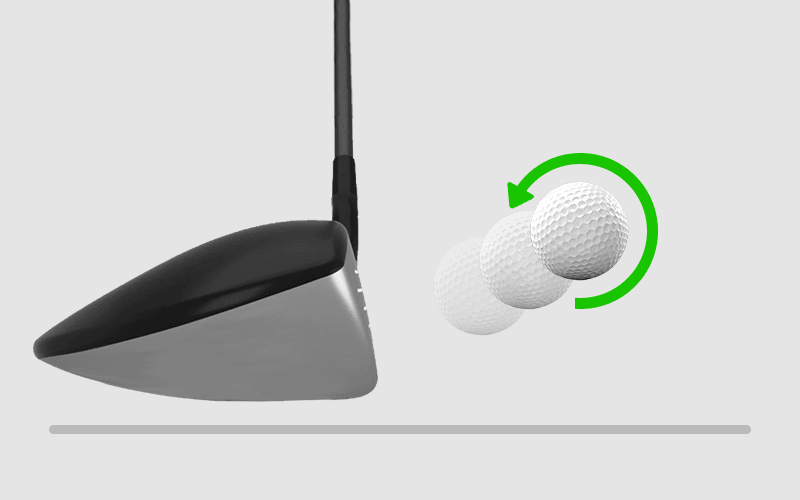
Data Collection Measured using high-speed cameras or radar that track the ball's rotation as it leaves the clubface.
Awesome Golf Ideal Values * Driver Male 2,000-2,500 rpm Female 2,400-2,800 rpm 7 Iron Male 6,500-7,500 rpm Female 7,000-8,000 rpm Swing Technique Affected by clubface angle, impact location, and swing path.
Performance Impacts Stopping Power Higher spin rates help stop the ball quickly on the green, while lower spin rates increase roll.
Control Excessive spin can cause the ball to balloon, losing distance, while too little spin may reduce carry.
Data Collection Measured by tracking the ball's rotational behaviour immediately after impact using high-speed cameras or radar.
Launch Monitors All Stickers Required Awesome Golf Ideal Values A neutral spin axis (0°) is ideal for
Swing Technique Adjusted by changing swing path, face angle, and impact location.
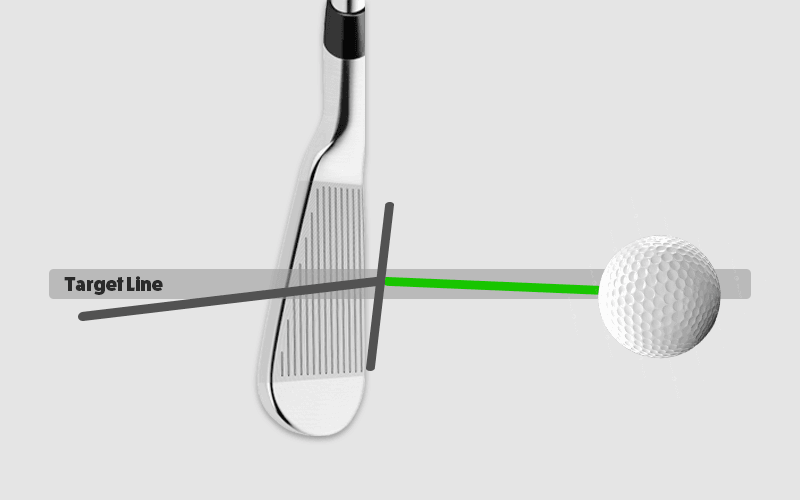
Data Collection Measured by tracking the ball's initial direction after impact.
Awesome Golf Ideal Values 0° for a
Swing Technique Adjusted by changing swing path, face angle, and ball position.
Performance Impacts Accuracy A more accurate horizontal launch angle reduces the need for corrections mid-flight, leading to straighter shots.
Shot Shape Determines the initial direction, setting up for either a
Data Collection Measured by tracking the ball's descent during flight.
Swing Technique Influenced by spin rate, apex height, and launch angle.
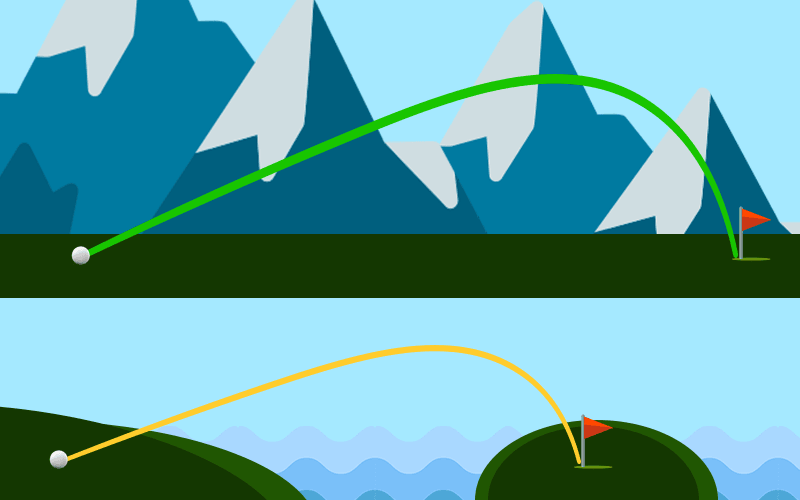
Performance Impacts Stopping Power A steeper vertical descent angle helps the ball stop more quickly upon landing, crucial for approach shots.
Control A steeper descent angle reduces roll, offering better control on firm greens.
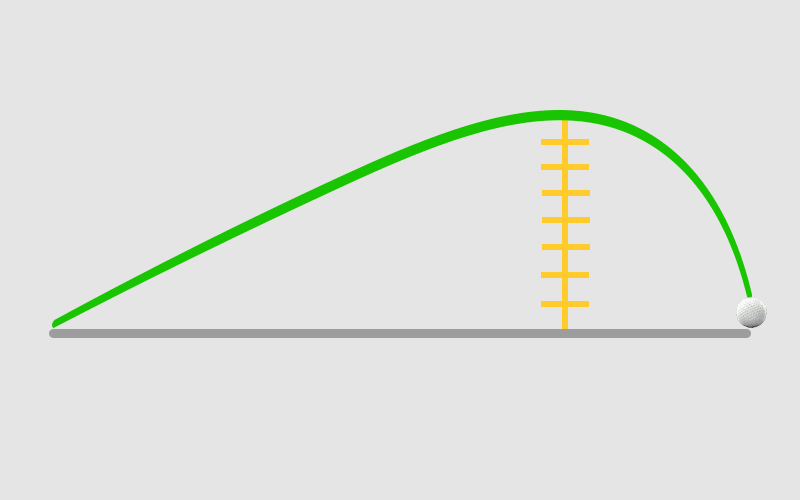
Data Collection Measured by tracking the ball's vertical position during its trajectory.
Ideal Values * Driver 30-40 yards 27-36 meters
Swing Technique Affected by launch angle, spin rate, and ball speed.
Performance Impacts Carry Distance Higher apex heights can contribute to longer carry distances but may also lead to higher wind sensitivity.
Trajectory A higher apex often equates to a steeper descent angle, aiding in stopping power.
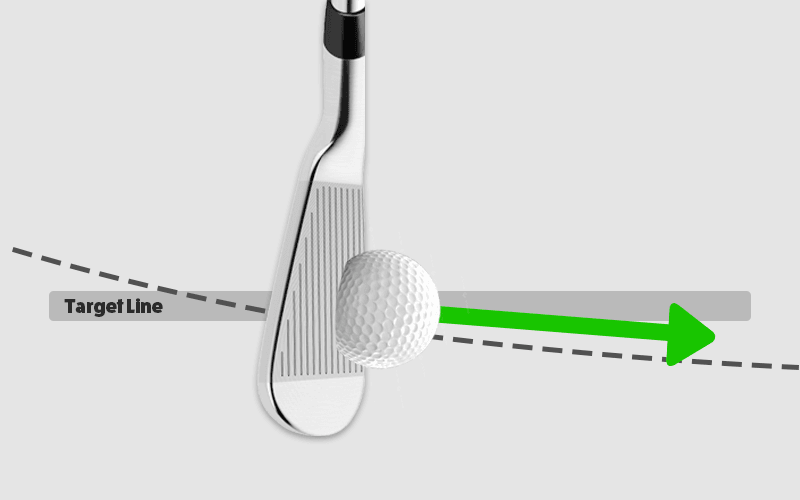
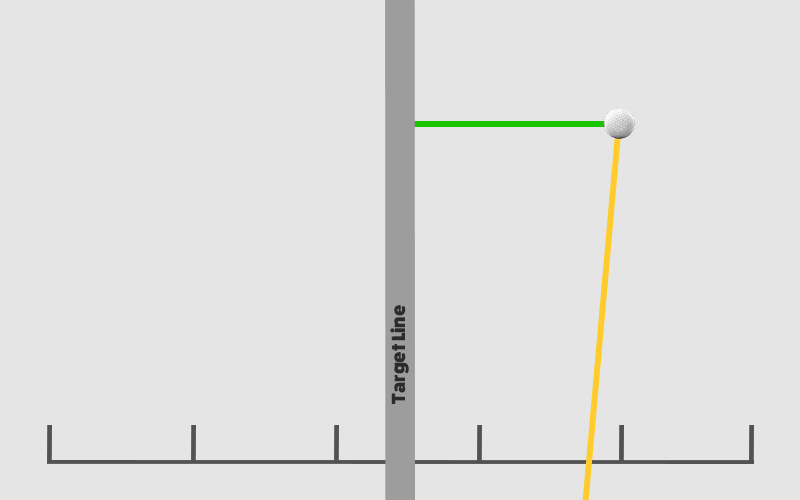
Data Collection Measured by tracking the ball's landing position relative to the target line.
Awesome Golf Ideal Values * 0 yards for a perfect shot 0 meters for a perfect shot
Swing Technique Affected by swing path, face angle, and spin axis.
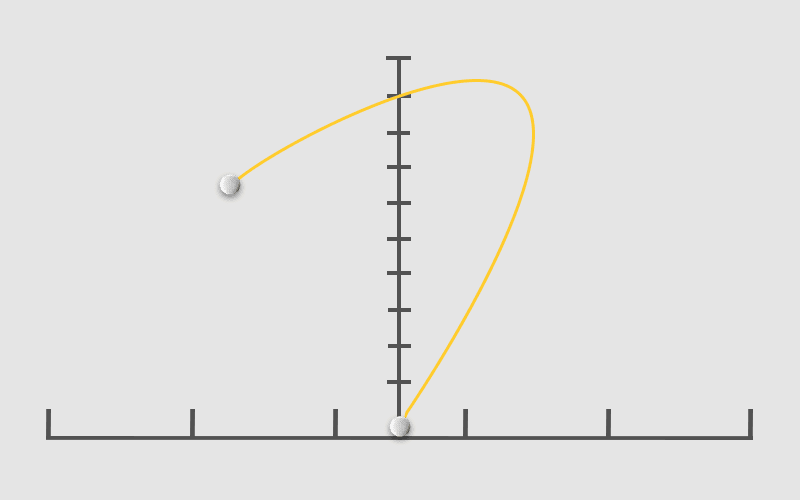
Data Collection Measured by high-speed cameras or radar tracking systems, often calculated from spin axis and side spin.
Ideal Values Varies by shot type; minimal for
Swing Technique Adjust face angle, swing path, and grip strength.
Performance Impacts Accuracy Excessive curve can lead to offline shots, potentially missing fairways or greens.
Shot Shape Curve is integral to controlling shot shape, allowing golfers to navigate obstacles or shape shots to fit the course.
Spin Axis A more tilted spin axis increases curve, affecting where the ball lands relative to the target line.
Practical Adjustments Face Angle And Swing Path Work on aligning face angle and swing path to control the curve.
Grip Strength Adjusting grip strength can help manage the clubface at impact, influencing the curve.
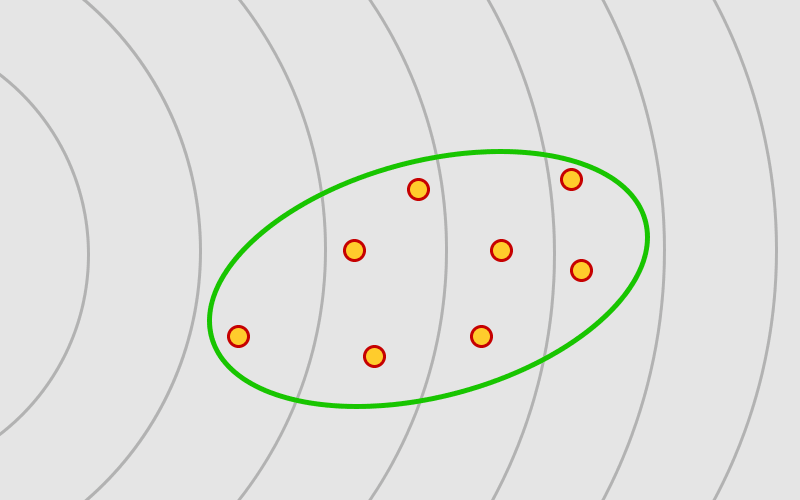
Data Collection Analysed by tracking multiple shots and calculating the area or radius around the target.
Awesome Golf Ideal Values Smaller dispersion indicates better consistency and accuracy
Swing Technique Improved by refining swing mechanics, alignment, and consistency in impact location.
Performance Impacts Consistency Tighter shot dispersion means more consistent performance, leading to better scoring.
Accuracy Improved shot dispersion helps in consistently hitting the desired target area.
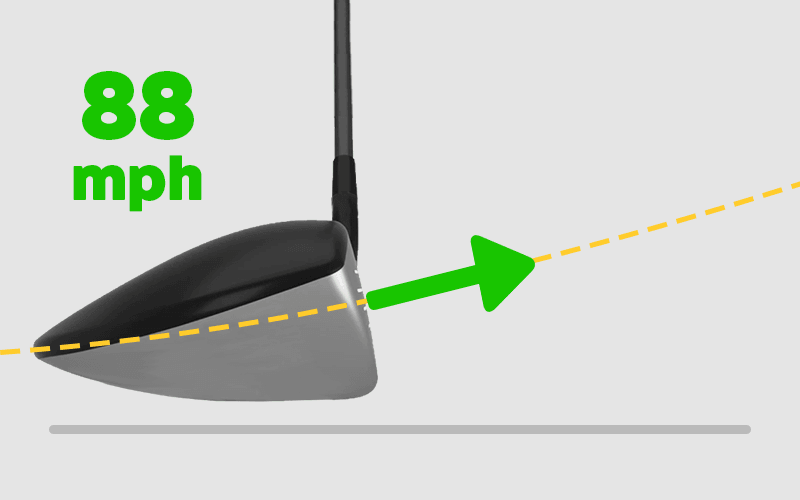
Data Collection Measured using radar or optical sensors that track the club's movement through the swing.
Launch Monitors Awesome Golf Ideal Values * Driver Male 110-125 mph 177-201 kph Female 90-105 mph 145-169 kph 7 Iron Male 85-95 mph 137-153 kph Female 75-85 mph 120-137 kph Swing Technique Increased by improving swing mechanics, fitness, and timing.
Performance Impacts Distance Higher clubhead speed generally increases distance through higher ball speed.
Spin Rate Increased clubhead speed can raise spin rates, especially with more lofted clubs.
Launch Angle While clubhead speed itself doesn't directly affect launch angle, higher speeds can exaggerate the effects of swing path and face angle.
Practical Adjustments Swing Technique Work on physical conditioning to increase speed. Improve swing efficiency by focusing on body rotation and proper sequencing.
Equipment Lighter shafts and optimized club weighting can help increase clubhead speed.
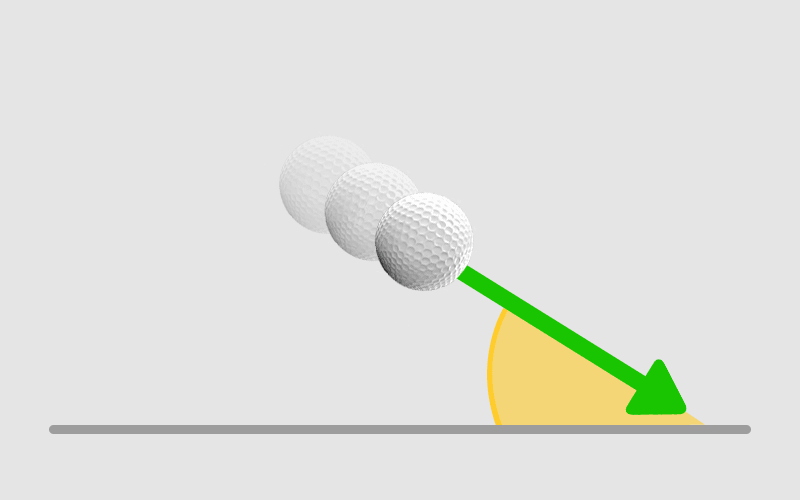
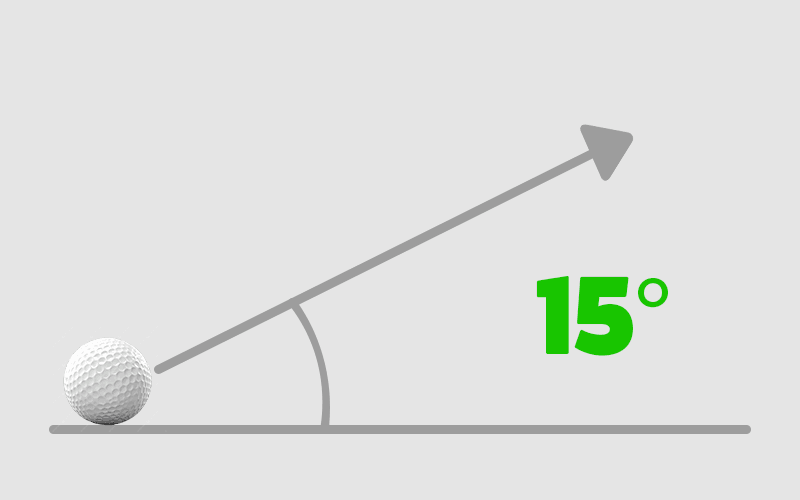
Data Collection Determined by tracking the initial trajectory of the ball using high-speed cameras or radar.
Awesome Golf Ideal Values * Driver Male 12°-15° Female 14°-16° 7 Iron Male 16°-18° Female 17°-19° Swing Technique Adjusted by changing ball position in stance, tee height, and swing path.
Performance Impacts Trajectory A higher launch angle creates a higher trajectory, which can be beneficial or detrimental depending on wind and course conditions.
Spin And Distance The ideal launch angle optimizes both spin and distance for any given club.
Practical Adjustments Ball Position Moving the ball forward or backward in your stance can alter launch angle.
Tee Height For drivers, adjusting the tee height influences the launch angle.
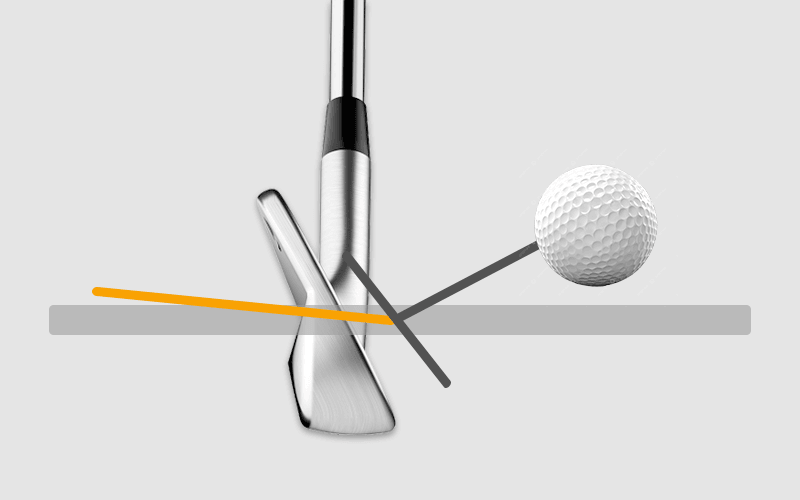
Data Collection Measured by tracking the club's path through impact with radar or optical sensors.
Launch Monitors with Club Data with Pro Package with Club Data Stickers Required Ideal Values * Driver Male +3° to +5° Female +2° to +4° 7 Iron Male -3° to -5° Female -2° to -4° Swing Technique Altered by changing ball position, swing plane, and body positioning.
Performance Impacts Ball Flight A steeper (negative) attack angle with irons helps compress the ball for better spin and control. A positive angle with a driver promotes higher launch and lower spin for more distance.
Distance Positive attack angles with drivers typically result in more distance.
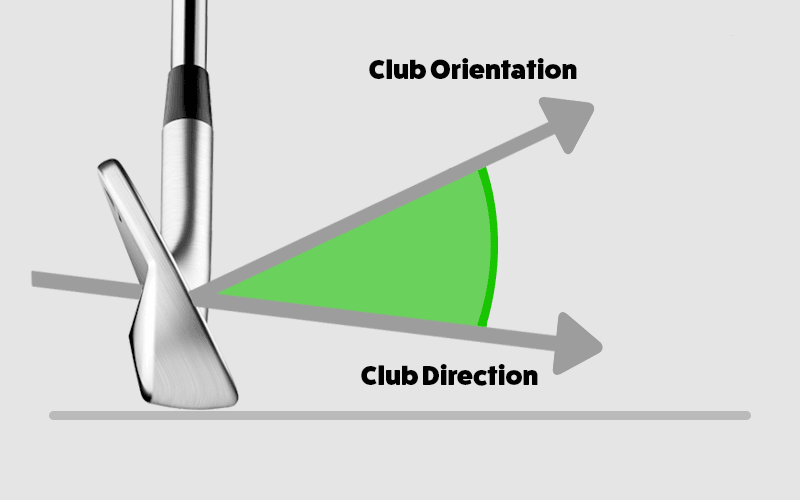
Data Collection Measured by tracking the clubface orientation and angle of attack at impact.
Launch Monitors with Club Data with Pro Package with Club Data Ideal Values * Driver Male 16°-20° Female 17°-22° 7 Iron Male 21°-25° Female 22°-26° Swing Technique Adjusted by changing the angle of attack, ball position, and shaft lean.
Performance Impacts Trajectory Higher dynamic loft results in a higher trajectory, useful for stopping the ball quickly on the green.
Spin Rate Higher dynamic loft typically increases spin, which can aid in control but reduce distance.
Practical Adjustments Shaft Lean Adjusting the forward or backward lean of the shaft at impact alters dynamic loft.
Angle of Attack Modifying your attack angle influences dynamic loft and, subsequently, ball flight.
Data Collection Calculated by subtracting the attack angle from the dynamic loft.
Swing Technique Affected by changing attack angle, shaft lean, and clubface angle.
Performance Impacts Spin Rate Higher spin loft results in higher spin rates, which can aid in control but may reduce distance.
Ball Flight The combination of spin loft and launch angle determines the ball's flight characteristics.
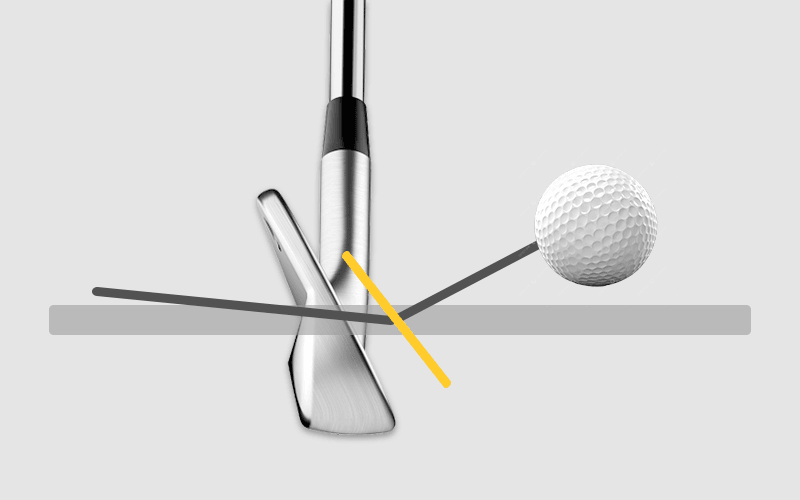
Data Collection Measured by tracking the clubhead's movement as it approaches impact.
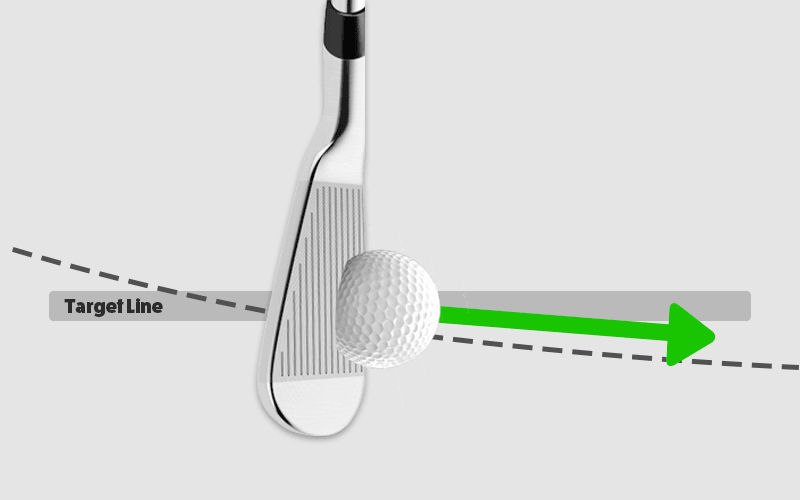
Launch Monitors with Club Data with Pro Package with Club Data Stickers Required Awesome Golf Ideal Values 0° for a neutral path (
Swing Technique Adjusted by changing stance, grip, and swing mechanics.
Performance Impacts Shot Direction An in-to-out club path tends to produce draws/hooks, while an out-to-in path produces fades/slices.
Spin Axis Club path in relation to face angle largely determines the spin axis, affecting shot shape.
Data Collection Calculated by comparing clubface angle and club path measurements.
Launch Monitors with Club Data with Pro Package with Club Data Ideal Values 0° for
Swing Technique Controlled by adjusting grip, wrist action, and swing path.
Performance Impacts Shot Shape The difference between face angle and club path determines if the shot is a
Accuracy Managing face-to-path consistency improves accuracy and shot predictability.
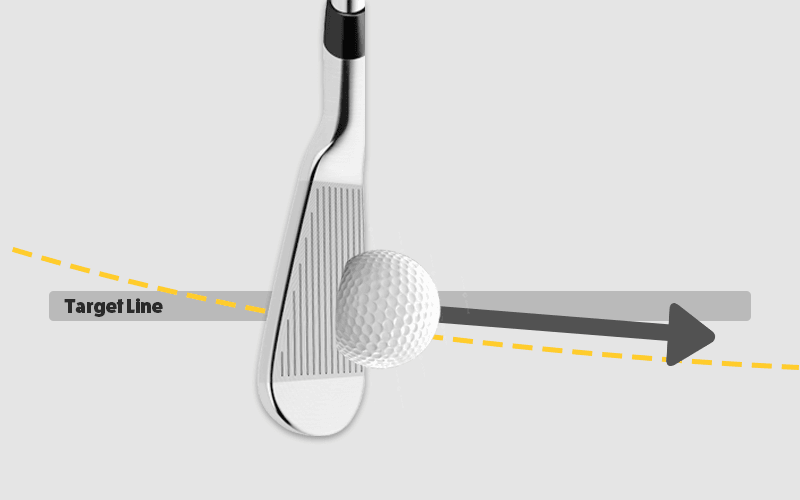
Data Collection Measured by tracking the clubface's orientation at the moment of impact.
Launch Monitors with Club Data with Pro Package with Club Data Awesome Golf Ideal Values Square to target (0°) for
Swing Technique Changed by adjusting grip, stance, and wrist position at impact.
Performance Impacts Shot Direction The face angle at impact is the primary factor determining the starting direction of the ball.
Spin Axis When combined with club path, face angle affects the ball's spin axis, influencing curvature.
Data Collection Measured by radar or camera systems that track the clubhead through the swing.
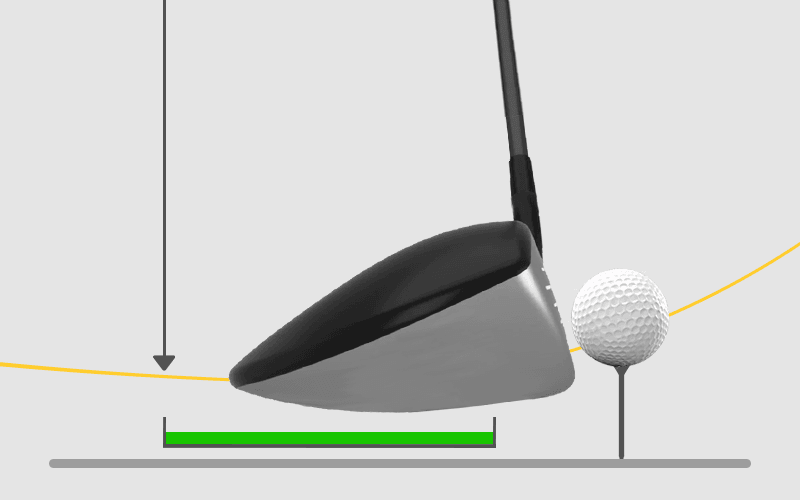
Launch Monitors with Club Data with Pro Package with Club Data Ideal Values Slightly ahead of the ball for irons and wedges, at or slightly behind for drivers
Swing Technique Adjust swing arc, body position, and weight transfer.
Performance Impacts Ball Striking Achieving the correct low point ensures solid contact, especially with irons and wedges.
Distance And Spin Proper low point control maximizes distance and spin by ensuring clean contact.
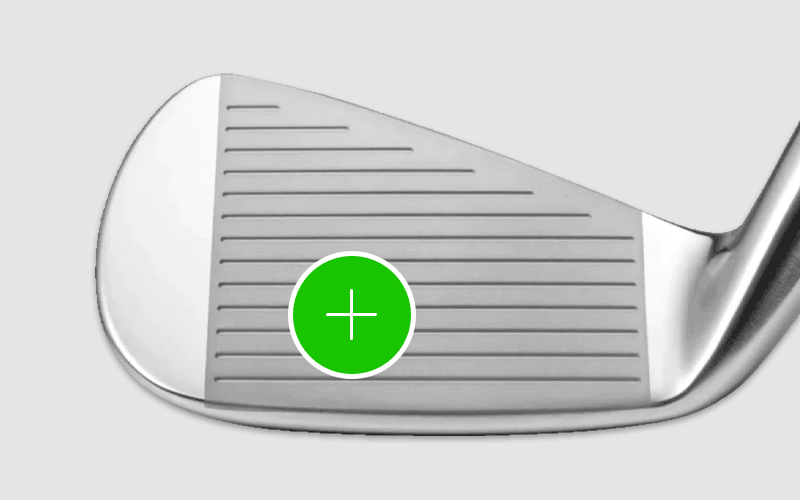
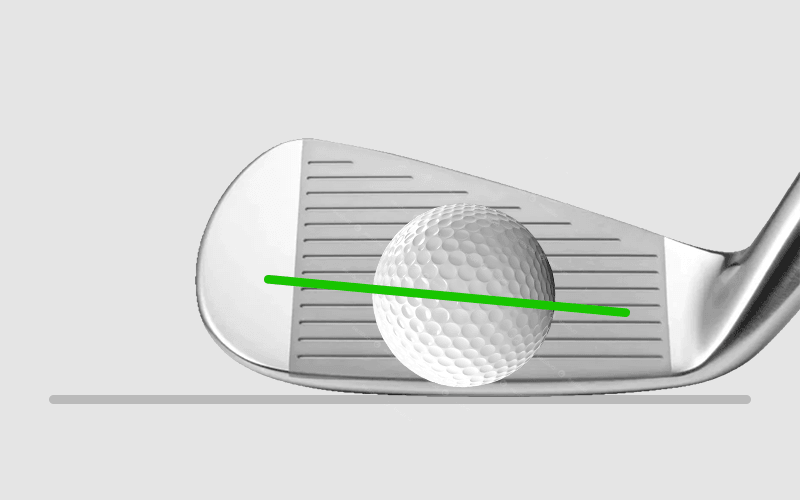
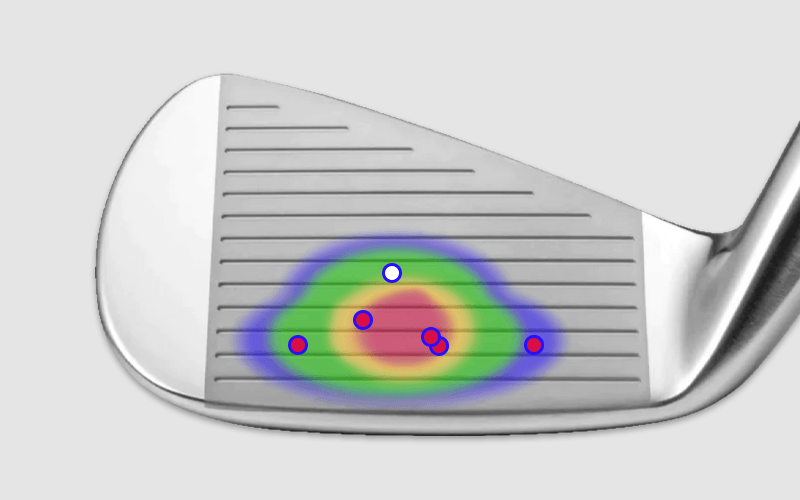
Data Collection Measured using high-speed cameras, radar with impact algorithms, or impact stickers/decals that detect the contact point.
Launch Monitors with Pro Package and Face Impact Location add-ons with club stickers Awesome Golf Ideal Values Center of the clubface ("sweet spot") for maximum energy transfer and consistency; slightly high-center on drivers can optimize launch and spin.
Swing Technique Influenced by swing path, clubface control, posture, balance, and ball position; off-center hits can be caused by early extension, poor weight transfer, or inconsistent swing arc.
Performance Impacts Distance And Energy Transfer Center strikes maximize smash factor and ball speed; off-center strikes reduce energy transfer and overall distance.
Spin And Launch Variation High or low contact changes launch angle and spin rate due to gear effect (high = lower spin, low = higher spin).
Directional Control Heel or toe strikes cause gear effect curvature (heel =
Consistency Inconsistent impact points lead to unpredictable ball flights, making distance and direction control harder.
Practical Adjustments Setup And Ball Position Position the ball to match the club and desired swing arc (slightly forward for driver, more central for irons).
Balance And Posture Maintain steady posture and proper weight transfer to keep strike pattern centred.
Swing Path And Low Point Control Deliver the clubhead consistently through the ball at the optimal point in the arc.
Drills Use face tape, foot spray, or impact decals to track strike patterns and make small swing adjustments to centre contact.
Equipment Fit Shaft length, lie angle, and head design can influence strike location; custom fitting can improve centred contact rates.
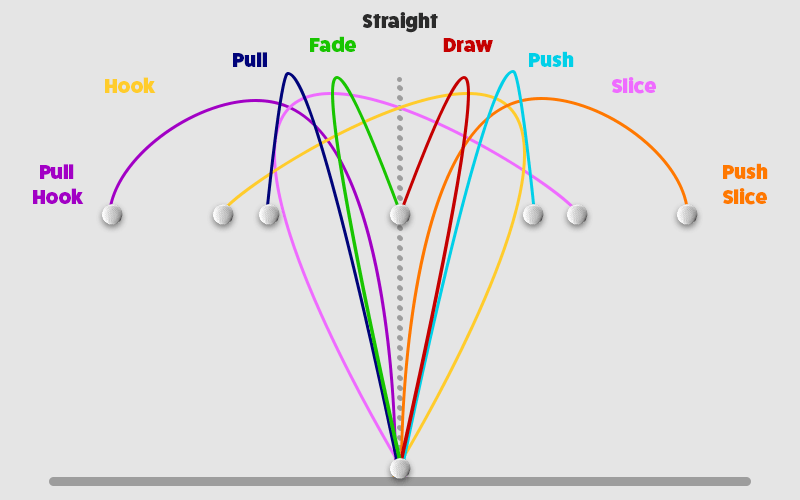
Data Collection Determined by analysing the ball's flight path, spin axis, and launch angle.
Ideal Values Ideal shot type varies by golfer's intention, e.g., a slight
Swing Technique Altered by swing path, face angle, and grip.
Performance Impacts Course Management Different shot types (e.g.,
Control Being able to intentionally produce various shot types increases overall shot control.
Data Collection Measured using GPS or local altitude data, often input manually into launch monitors for accurate calculations.
Awesome Golf Ideal Values Not specific; lower altitudes (sea level) reduce carry distance, higher altitudes (e.g., 5,000 ft.) increase it
Swing Technique Not directly influenced by swing technique but affects club and shot selection; higher altitudes require adjustments in club selection and strategy due to longer carry distances.
Performance Impacts Ball Speed Ball speed tends to remain similar at different altitudes, but reduced air density at higher altitudes slightly reduces drag on the ball.
Carry Distance Higher altitudes result in longer carry distances (5-10% farther at 5,000 feet) due to less air resistance.
Spin Rate Spin rates might slightly decrease at higher altitudes due to reduced friction between the ball and the air.
Apex Height The ball may reach a higher apex at higher altitudes because of less drag.
Total Distance Total distance increases at higher altitudes due to reduced drag and lower spin rates.
Launch Angle Altitude does not significantly affect launch angle directly, but the ball's overall flight may be higher due to reduced air resistance.
Practical Adjustments Club Selection At higher altitudes, golfers might choose a club with less loft to control distance or opt for more controlled swing speeds.
Strategy Adjusting the intended landing area, anticipating more roll after landing, and being cautious with approach shots to avoid overshooting greens.